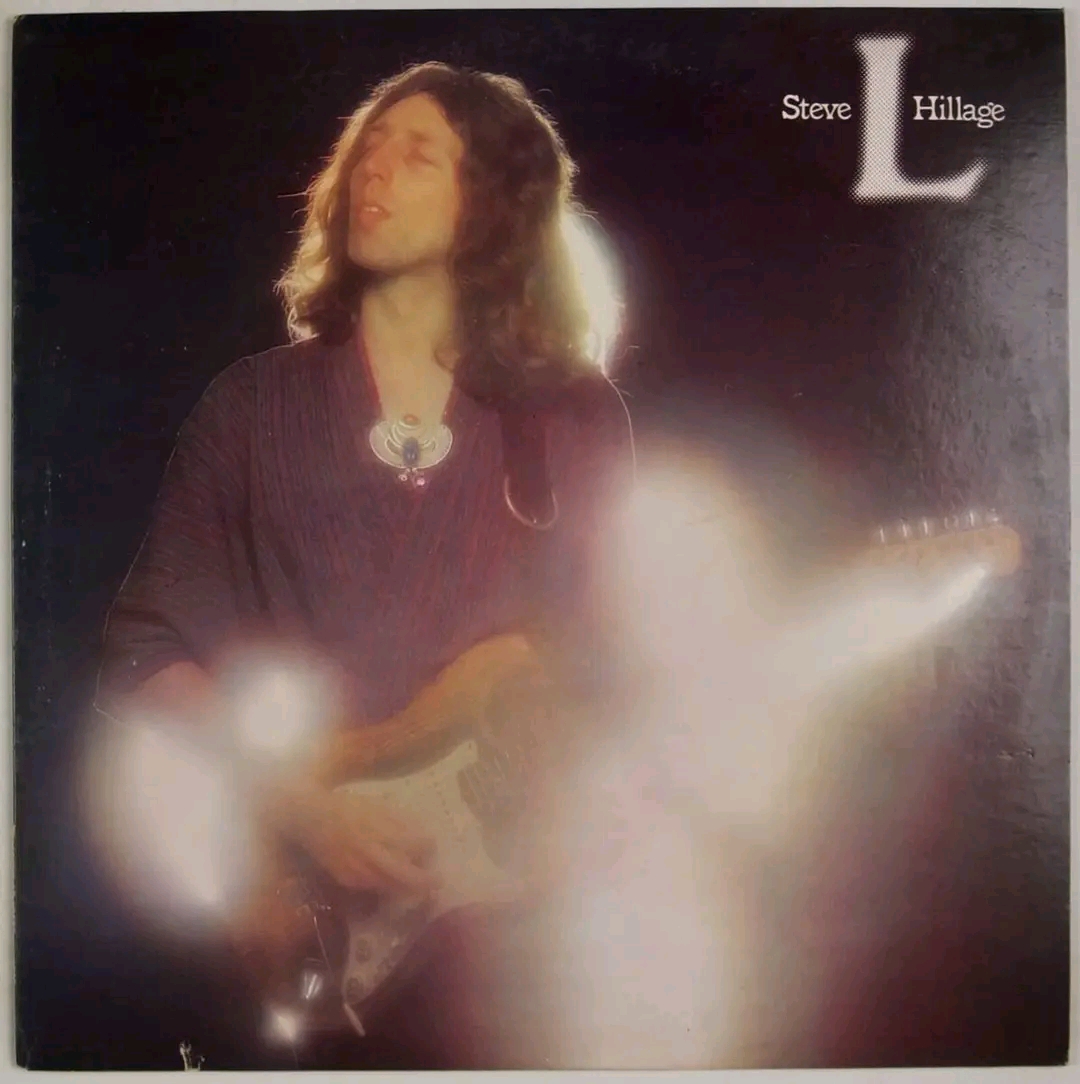
In the kaleidoscopic world of 1970s progressive rock, few albums have retained their mystique and musical mastery quite like L by Steve Hillage. Released in 1976, this cult classic remains a spiritual trip through space, time, and sound — a true masterpiece that still resonates with prog rock aficionados nearly 50 years later.
Steve Hillage, a pioneering guitarist with a flair for the celestial, had already made waves with the psychedelic collective Gong before launching his solo career. By the time L arrived, Hillage had cemented his status as a visionary artist. What made L stand out wasn’t just Hillage’s cosmic guitar work — it was the inspired collaboration that brought it all together.
Recorded in New York and produced by none other than Todd Rundgren, L featured members of Rundgren’s band Utopia, including Roger Powell, Kasim Sulton, and John “Willie” Wilcox. The result was a fusion of British psychedelic philosophy and American prog precision — a transatlantic jam session that turned into one of the decade’s most beloved underground albums.
The record opens with a radiant cover of Donovan’s “Hurdy Gurdy Man,” reimagined with swirling synths and soaring guitar solos. Hillage doesn’t just perform the song — he transforms it, breathing new cosmic life into the folk-rock classic. From there, the album flows seamlessly into original compositions like “Electrick Gypsies,” “Om Nama Shivaya,” and “Lunar Musick Suite,” each track a journey through soundscapes as intricate as they are otherworldly.
Despite its heavy philosophical and spiritual undertones, L manages to feel uplifting and alive. It’s not weighed down by the self-seriousness that plagued much of prog rock’s more indulgent offerings. Instead, Hillage and his collaborators channel their virtuosity into music that feels joyful, exploratory, and deeply human.
For longtime fans, L is more than just a record — it’s a ritual. “I still break it out on occasion, like a fine wine,” one listener shared. “Every time I listen, I’m reminded of its timeless energy and unmatched creativity.”
In today’s landscape of digital production and algorithm-driven playlists, L stands as a beacon of analog authenticity. It was born in a time when musicians took risks, jammed for hours, and let intuition guide the process. It’s no surprise that younger generations discovering prog rock often stumble upon L as a gateway into a deeper, stranger sonic universe.
Whether you’re a seasoned space rocker or a curious new listener, L is a musical voyage worth taking. Put on your headphones, close your eyes, and let Steve Hillage transport you — not just back to 1976, but beyond the stars.