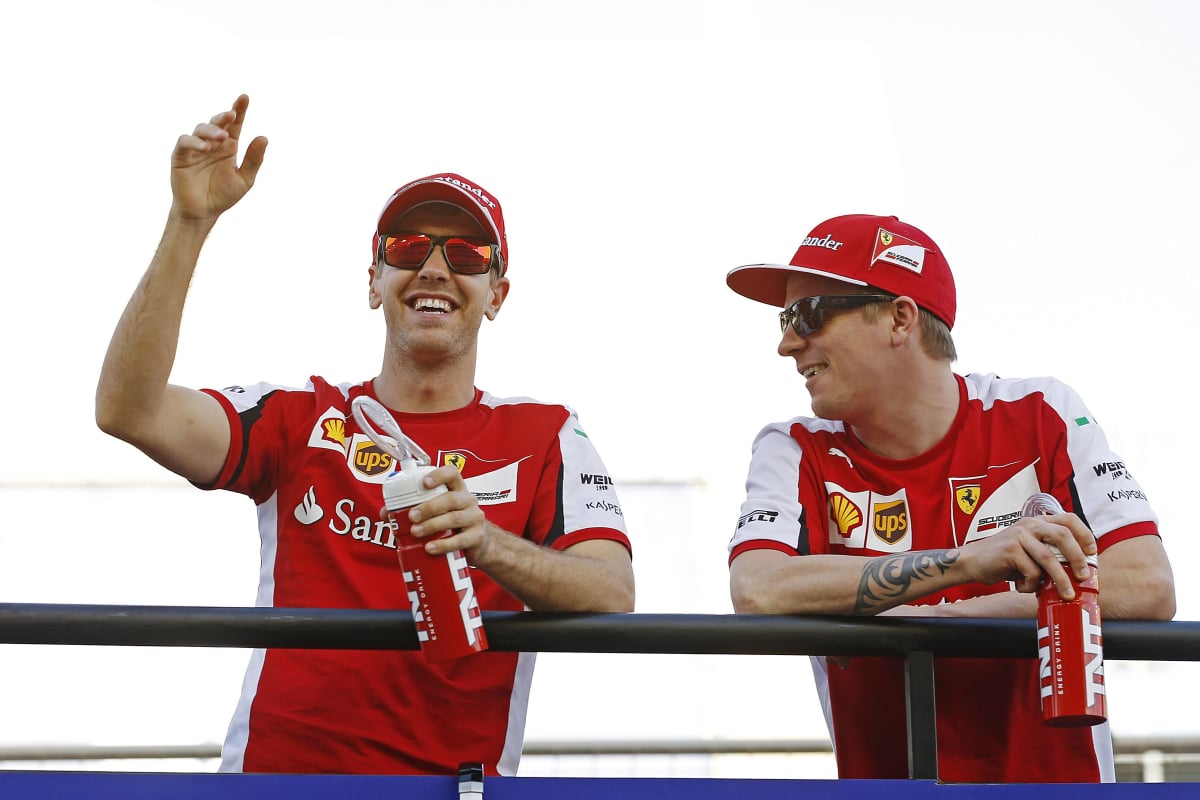

Nearly two decades after Kimi Räikkönen delivered Ferrari’s last Formula 1 drivers’ championship, his legacy is once again at the center of conversation as the sport looks toward the 2026 season. A recent remark from a rival Formula 1 team boss, who admitted he “feels sorry” for Ferrari fans, has reignited discussion about how deeply Räikkönen’s 2007 triumph still defines the Scuderia’s modern era.
Ferrari remains the most iconic team in Formula 1, boasting unmatched history, passion, and global support. Yet the uncomfortable reality is that Räikkönen’s title win in 2007 stands as the team’s most recent drivers’ championship. As the grid prepares for sweeping regulation changes in 2026, the comment from a rival boss was less a jab and more a sobering reflection of Ferrari’s prolonged wait to return to the very top.
For many tifosi, Räikkönen represents a golden benchmark. Calm, brutally honest, and immune to pressure, the Finn delivered when it mattered most, clinching the championship in dramatic fashion by a single point. His success came not from theatrics but from consistency, raw speed, and an unshakeable mindset. That combination has proven difficult for Ferrari to replicate in the years since, despite employing world-class drivers and investing heavily in performance.
The rival team boss’s sympathy stems from the uncertainty surrounding Ferrari’s future under the 2026 regulations. With new power unit rules, revised aerodynamics, and a reshaped competitive order expected, some teams appear better positioned than others. Ferrari’s struggles to convert potential into championships in recent seasons have left fans anxious that history could repeat itself, with promise falling short of ultimate success.
Räikkönen’s shadow looms large because his achievement symbolizes something Ferrari has chased relentlessly since: a driver who can block out noise, ignore politics, and simply deliver results. While modern Formula 1 places enormous emphasis on strategy, communication, and media presence, the Iceman thrived by focusing solely on racing. In doing so, he etched his name into Ferrari folklore in a way few drivers ever have.
As Ferrari fans look toward 2026, the comparison is unavoidable. Every new driver, every regulation reset, and every preseason prediction is measured against the standard Räikkönen set. The rival boss’s comment underscores a painful truth: until Ferrari crowns another world champion, Kimi Räikkönen’s legacy will remain both a source of pride and a reminder of unfinished business.
Whether 2026 finally brings a turning point or extends the wait even further, one thing is clear. Kimi Räikkönen’s impact on Ferrari has transcended time. His championship is not just a statistic; it is a reference point, a challenge, and a quiet echo that continues to follow Ferrari into every new era of Formula 1.