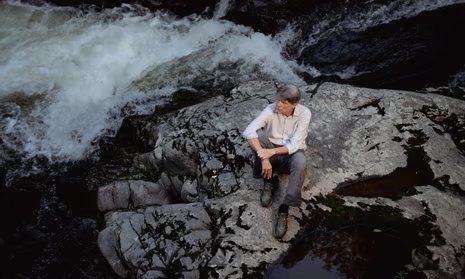
Richard Powers, the Pulitzer Prize-winning author, has long been known for his intricate novels that blend science, human emotion, and the complexities of the natural world. But in a recent interview, Powers revealed a significant shift in his perspective on both fiction and the global climate crisis. “I no longer have to save the world,” he stated, reflecting a growing sense of acceptance rather than despair. His words come as a surprise to many who have followed his career, especially after his environmental masterpiece The Overstory made waves for its passionate call to action on climate change.
Letting Go of the Weight of the World
Powers has been a prominent voice in raising awareness about the environmental crisis, using fiction to inspire readers to think critically about the Earth’s future. However, he now admits that carrying the weight of trying to solve the world’s problems became overwhelming. “At a certain point, I realized that I was putting too much pressure on myself, as if I could single-handedly turn the tide on climate change,” he said in the interview.
This change in mindset doesn’t mean Powers has abandoned his commitment to the environment or stopped writing about it. Instead, it signals a deeper philosophical shift. Powers explained that he’s learned to balance the need for action with the importance of personal well-being. “We all have to play our part, but we also need to find moments of peace and joy in a world that can often feel chaotic.”
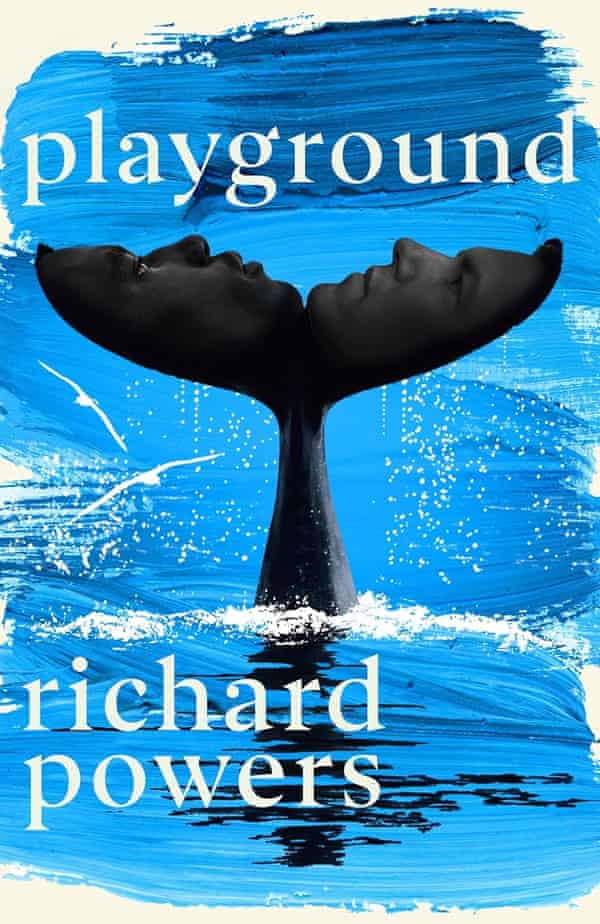
The Role of Fiction in a World on Fire
One of the most intriguing aspects of Powers’ approach to climate change is his belief in the power of fiction to make a difference. “Fiction doesn’t have to save the world—it’s not a superhero,” he mused. “But what it can do is help people see the world differently, maybe even more deeply.”
Powers sees storytelling as a tool for reflection, connection, and understanding. His acclaimed novel The Overstory, which tells the interwoven stories of people connected by their love for trees, struck a chord with readers and environmentalists alike. The novel became a symbol of the environmental movement, yet Powers says he now approaches storytelling with a lighter touch.
“I’m still writing about the climate, but now I focus more on the beauty of the natural world rather than the urgency of saving it. It’s a different perspective, and one I hope resonates with readers in a different way,” Powers shared.
Finding Hope Amid Crisis
When asked about the future, Powers did not sugarcoat the gravity of the climate crisis. However, he emphasized the importance of maintaining hope. “It’s easy to get lost in doom and gloom, but I’ve found that hope comes from paying attention to the small things,” he said. “The way a tree grows, the sound of the wind—these things remind me that there’s still beauty in the world.”
Powers also reflected on how personal actions can create ripples of change. “We may not be able to fix everything, but if we live in a way that respects the Earth, we can make a difference.”
What’s Next for Richard Powers?
As he works on his next novel, Powers is more focused on finding balance in his own life while continuing to explore the environmental themes that have defined much of his work. “I don’t feel the need to be the voice of the climate movement anymore,” he said. “But I do feel a responsibility to write about the world as I see it—and right now, that world still has a lot of beauty worth fighting for.”
For fans of Powers, this shift in perspective promises an exciting evolution in his storytelling, one that might inspire readers not only to act but to appreciate the world around them in new and meaningful ways.