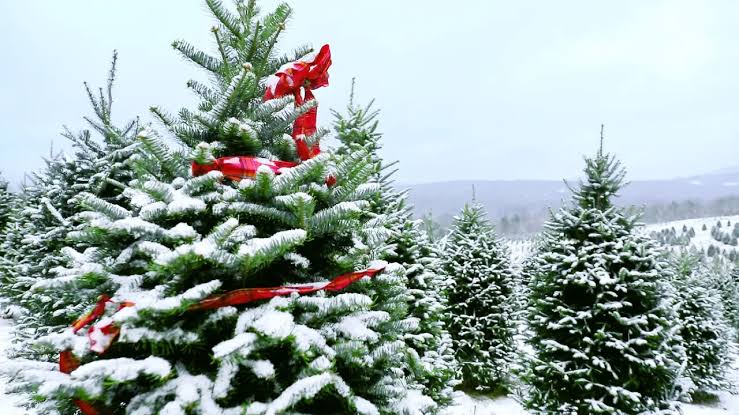
The cherished tradition of decorating a real Christmas tree may be at risk due to the impacts of climate change. Rising temperatures, drier summers, and warmer autumns are creating challenging conditions for the cultivation of popular Christmas tree species, such as the Fraser fir and red spruce.
In regions like North Carolina, a leading producer of Fraser firs, prolonged droughts and heat stress have led to increased tree mortality and reduced growth rates. Similarly, red spruces, like “Ruby,” the 2022 U.S. Capitol Christmas Tree, are facing climate-induced threats in their native habitats.
The environmental debate between real and artificial trees adds another layer of complexity. While real trees are biodegradable and support local agriculture, their cultivation is becoming more challenging due to climate change. Conversely, artificial trees, predominantly made from non-recyclable plastics, contribute to landfill waste and have a higher carbon footprint due to manufacturing and transportation emissions.
To address these challenges, researchers are exploring the development of more resilient tree species that can withstand changing climatic conditions. Efforts include selective breeding and genetic studies aimed at enhancing drought and heat tolerance in Christmas tree varieties.
Consumers can also play a role in mitigating these impacts by supporting sustainable tree farms that implement climate-resilient practices and by considering the environmental implications of their choices. Opting for locally sourced trees, reducing waste, and supporting reforestation efforts are steps that can help preserve this beloved holiday tradition for future generations.
As climate change continues to influence ecosystems worldwide, the future of the iconic Christmas tree hangs in the balance, prompting a reevaluation of practices to ensure that this symbol of holiday cheer endures.