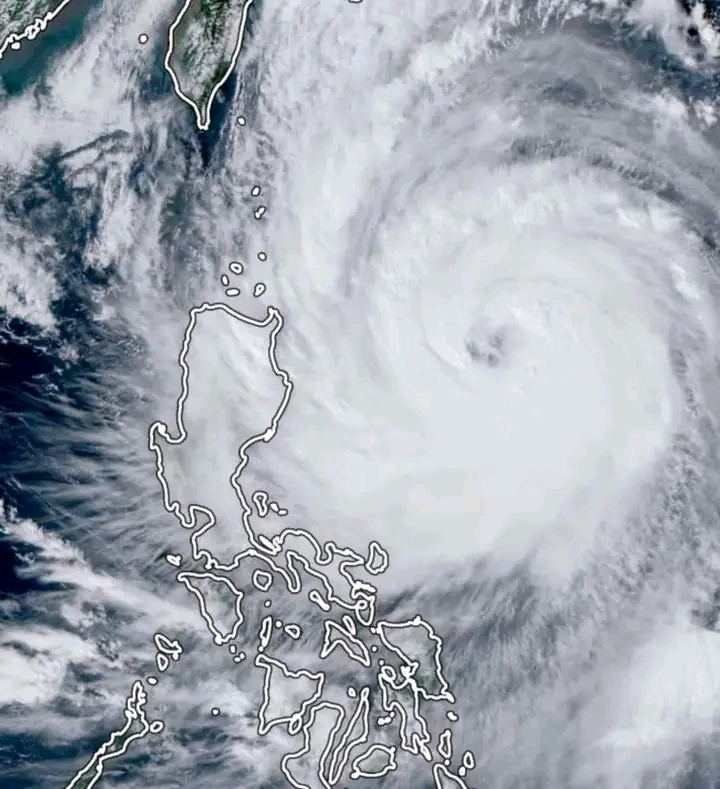
The effects of climate change are becoming more evident and alarming with each passing year, posing a severe threat to communities worldwide. Scientists and environmental experts continue to warn that global temperatures are rising at an unprecedented rate, leading to destructive weather patterns, rising sea levels, and ecosystem disruptions. As this crisis accelerates, it’s clear that climate change is no longer just a future concern but an urgent issue impacting millions today.
Recent studies reveal that the past decade has seen some of the warmest years on record, with global temperatures consistently rising. This warming trend is linked to an increase in extreme weather events such as hurricanes, wildfires, and floods, all of which are happening more frequently and with greater intensity. For example, parts of North America and Europe have seen record-breaking heatwaves, while severe droughts have impacted water and food supplies across Africa and Asia. The Arctic and Antarctic regions, which help regulate Earth’s temperature, are also rapidly losing ice, contributing to rising sea levels and threatening coastal communities worldwide.
Beyond environmental impacts, climate change also poses serious risks to human health, as extreme heat and air pollution increase respiratory and cardiovascular problems. Additionally, disruptions in agriculture due to unpredictable weather patterns threaten food security, especially in vulnerable regions. This crisis doesn’t discriminate—its effects are being felt everywhere, underscoring the need for global action.
Governments, organizations, and individuals must collaborate to reduce greenhouse gas emissions and slow the rate of global warming. Many countries are investing in renewable energy, promoting sustainable practices, and encouraging reforestation to combat climate change. However, experts agree that more urgent action is needed to avoid reaching critical tipping points.
The alarming reality of climate change affects everyone, and
Climate Change is Real and Alarming: A Dangerous Threat to All of Humanity